
PRE & POST ECOLOGICAL BURNS EFFECTS ON WILDLIFE
Since Australia became the driest continent on Earth, fires have been a frequent occurrence. Many floral species then evolved to cope with such an environment that some seeds require fire, smoke or scarification to germinate.
Australian Aborigines practised burns for the past 60 thousand years and only enhanced the transformation of the ecosystem.
However, the introduction of invasive flora species, namely grasses, which were brought in mostly from Africa were to feed the livestock industry. These grasses, however, dispersed beyond the cattle stations and began to overtake the bush. Not having large herbivores to graze it, the grasses grow, seed and die every year, creating an incredibly thick, sometimes a few-feet-high grass layer which is very flammable and burns extremely hot. This enhances the threat of devastating bushfires.
Property owners are then encouraged to conduct ecological burns within their properties; however, the lack of knowledge, understanding, and sometimes even care, combined with extremely weak government policies, means that many inexperienced property owners create very hot, uncontrolled and unsupervised fires that have a devastating effect on the environment.
The Australian biodiversity has suffered greatly due to these rogue fires; many species have gone extinct or critically declined in numbers, such as the Coochin Hills Gravillea (Grevillea hodgei), which is listed as CRITICALLY ENDANGERED on the IUCN Red List.
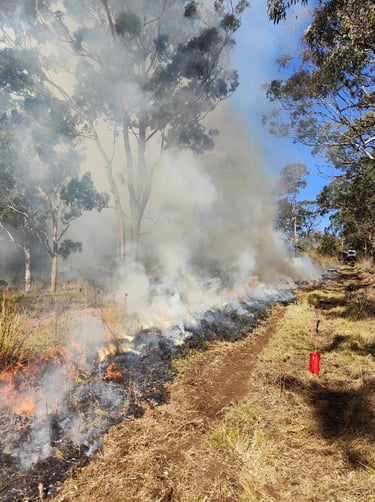
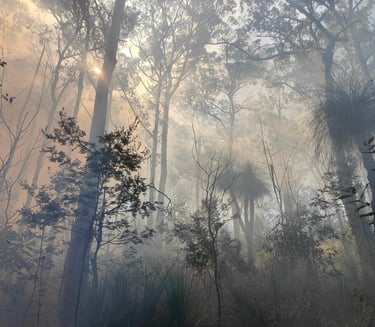
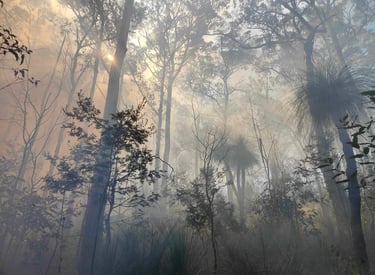
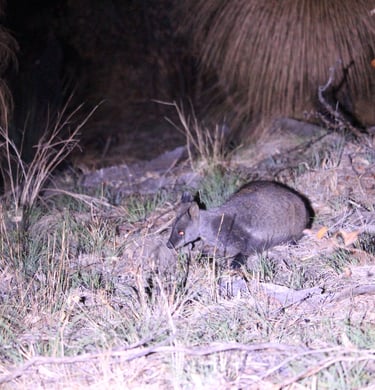
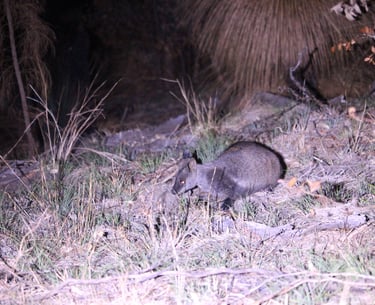
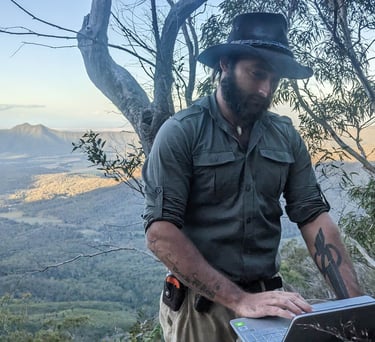
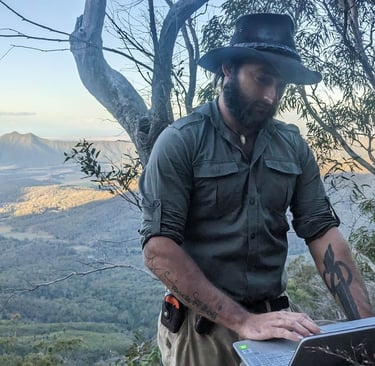
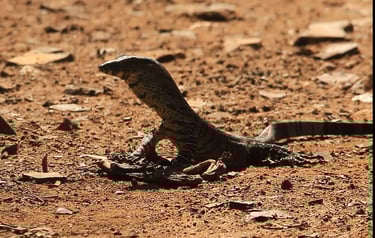
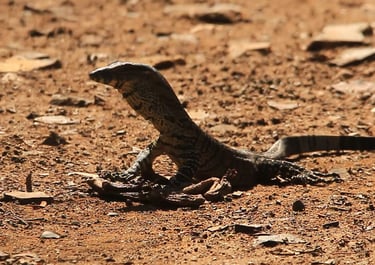
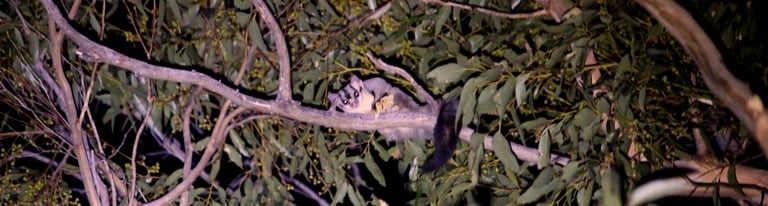
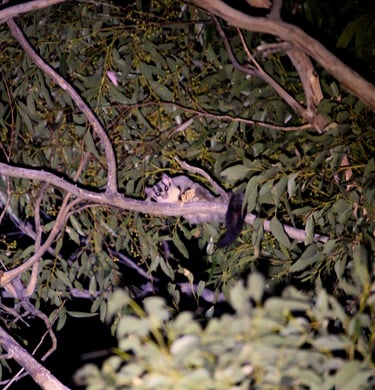
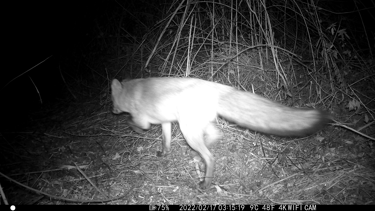
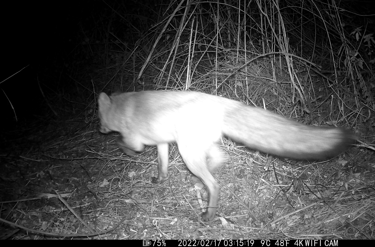
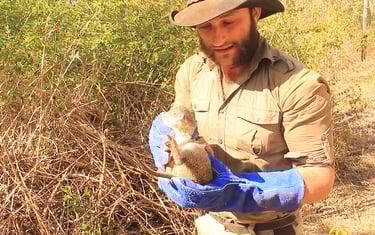
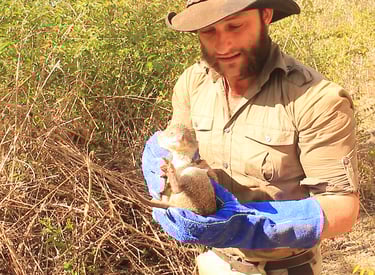
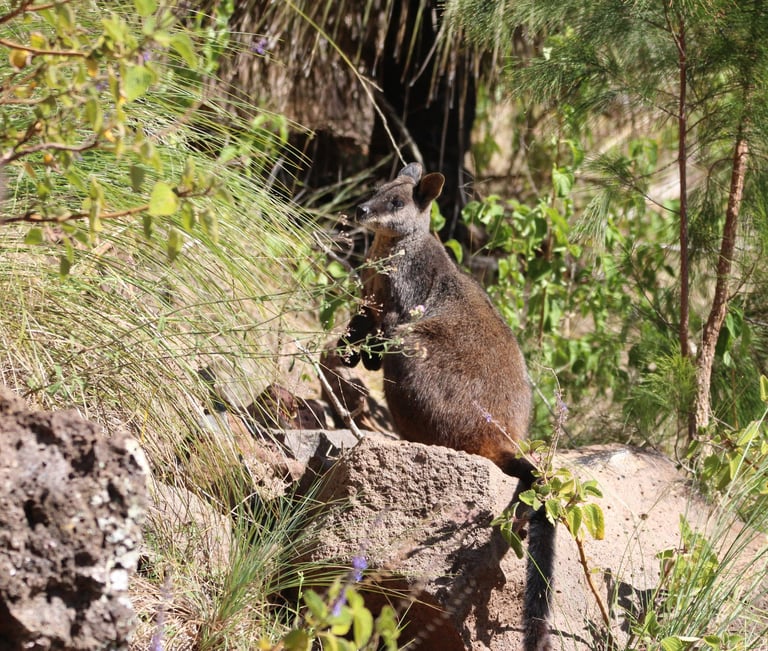
To understand more about this issue, and the whole controversy of ecological burns, we conducted research on pre & post ecological burns effects on wildlife in South East Queensland.
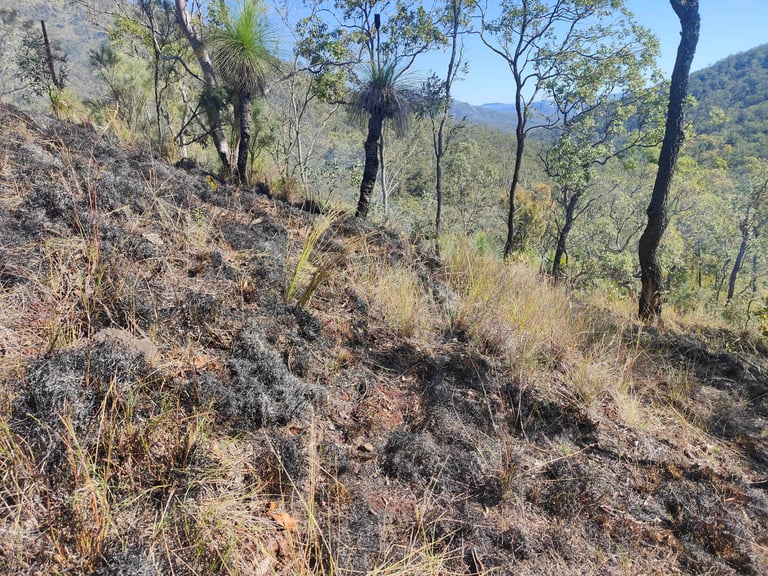
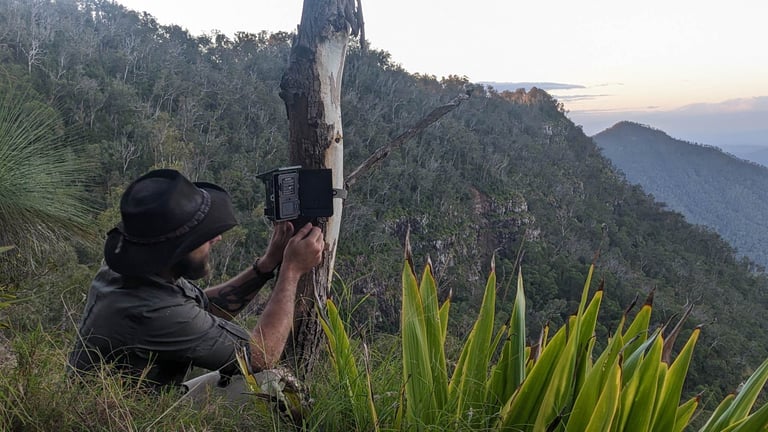
From interviewing property owners from several Australian states and territories to conducting professional ecological burns and monitoring floral recovery, and the effects on wildlife. This research was carried out on three areas of different altitudes and habitats:
1# - Foothills rainforest below the mountain ranges fronted by agricultural land
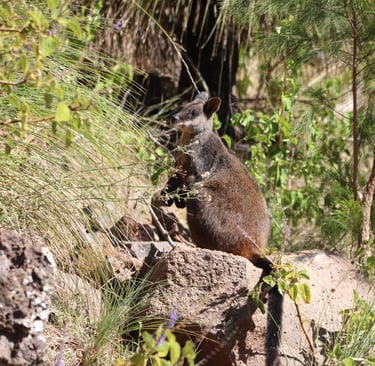
2# - Dry rocky outcrops of the northernmost ridges
3# - Sclerophyll forest of the highest altitude
This variation between environments and habitats resulted in varying wildlife compositions and thus provided us with a larger reach.
Searching for volunteer placements to enhance your career? Or are you an organisation that truly wants to make a change? Or are you an everyday person who just wants to do something for the future?
Whatever the enquiry might be, please do not hesitate to contact us to learn more. Our team of dedicated professionals are here to help!
CONTACT US
PHONE
+353 85 716 6328
© 2025. All rights reserved.