
SALTWATER AND FRESHWATER CROCODILE RESEARCH
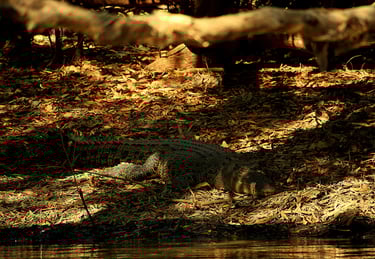
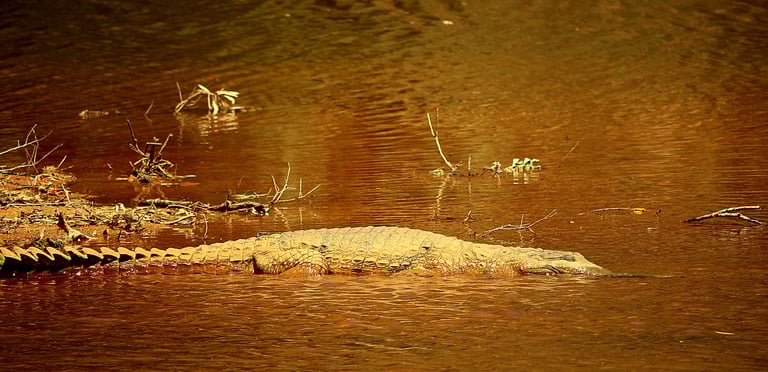
For several years, we ran an in-situ study of saltwater and freshwater crocodiles in the Northern Territory, Australia.
The focal points of this study were;
In-situ co-existence between C. porosus and C. johnstonii
The intelligence of C. porosus and C. johnstonii
Territorial behaviour in males of C. johnstonii
Reaction to culling in C. porosus and the disruption of the ecosystem as a result
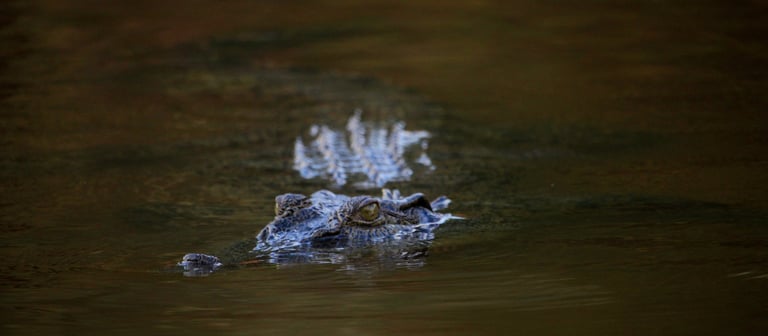
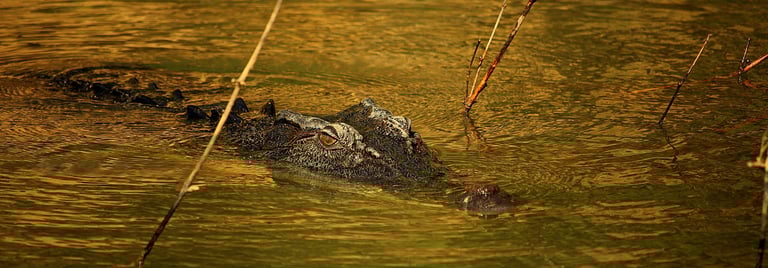
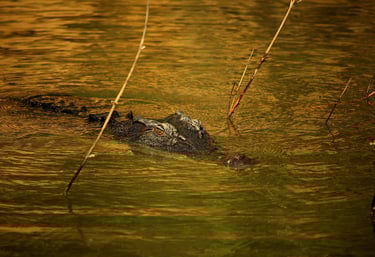
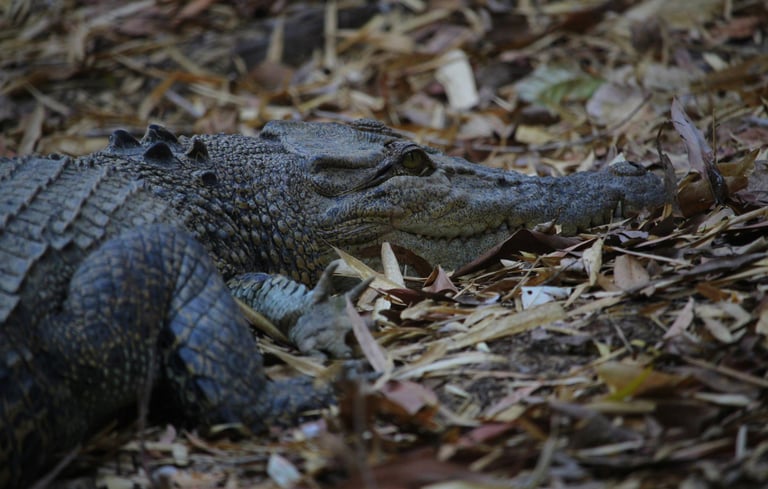
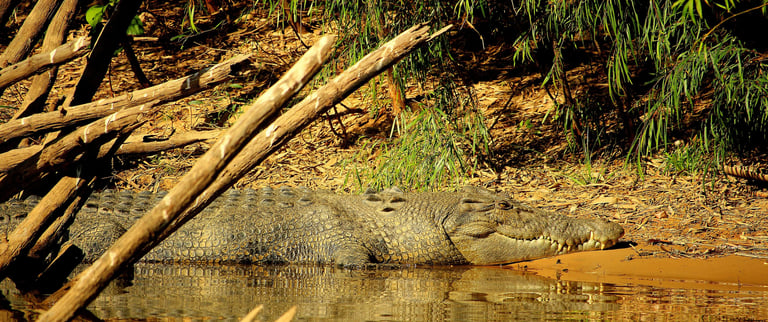
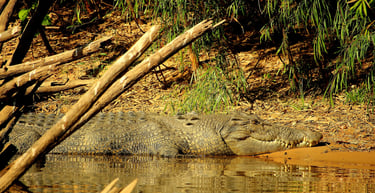
FRESHWATER CROCODILE
(Crocodylus johnstonii)
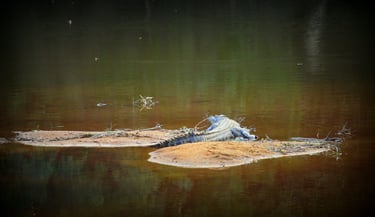
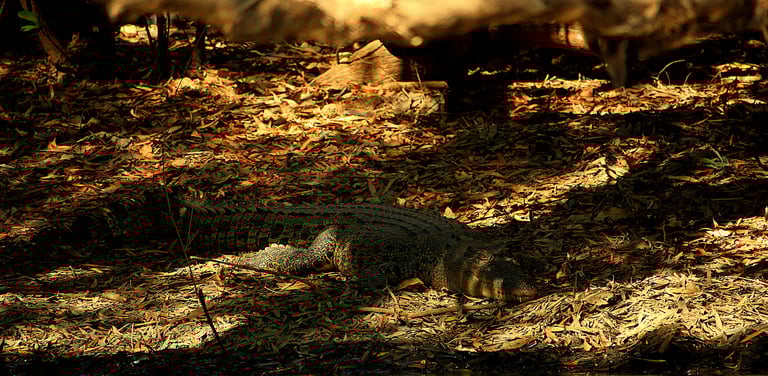
The saltwater or estuarine crocodile is the largest living reptile today. Large males can grow up to 6 metres in length and weigh almost a ton, and are extremely territorial.
The saltwater crocodile fills the niche of the apex predator in its ecosystem and preys mainly on larger vertebrates such as large fish, wallabies, wild boars and even buffaloes.
Despite its name, the saltwater crocodile mostly inhabits inland rivers and estuaries but does inhabit coastlines and can swim large distances.
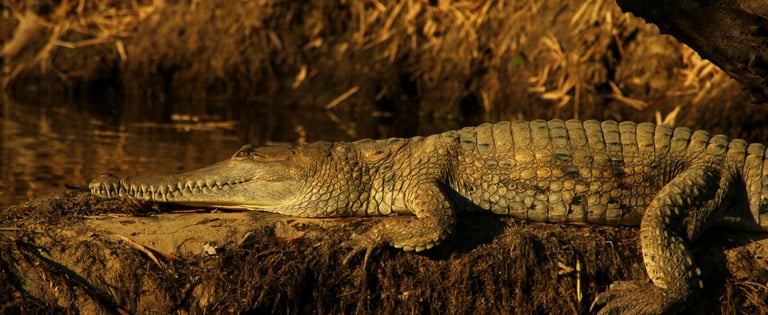
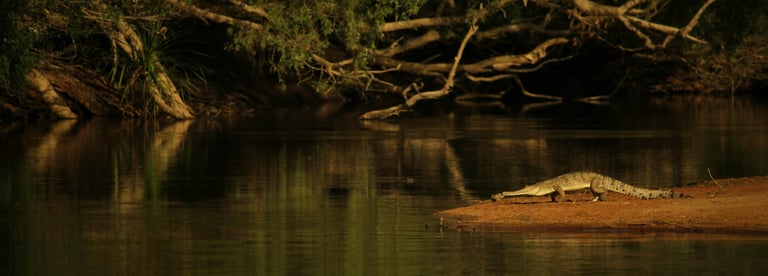
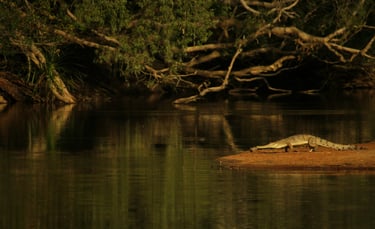
The freshwater crocodile is the second species of crocodile found in Australia, and with its maximum length of 3 metres and slender build is significantly smaller than the saltwater crocodile.
Its much slenderer jaws evolved as a convergent evolution to the gharial, or tomistoma, to fill the niche of a fish eater in its ecosystem.
Hence, the freshwater crocodile mainly preys on fish, small reptiles and other small vertebrates and invertebrates.
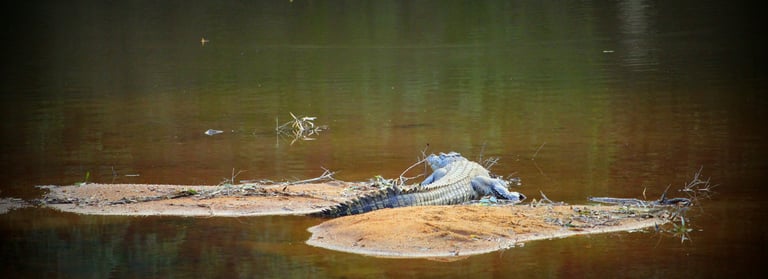
SALTWATER CROCODILE
(Crocodylus porosus)
Searching for volunteer placements to enhance your career? Or are you an organisation that truly wants to make a change? Or are you an everyday person who just wants to do something for the future?
Whatever the enquiry might be, please do not hesitate to contact us to learn more. Our team of dedicated professionals are here to help!
CONTACT US
PHONE
+353 85 716 6328
© 2025. All rights reserved.