

SNAKE CATCHING
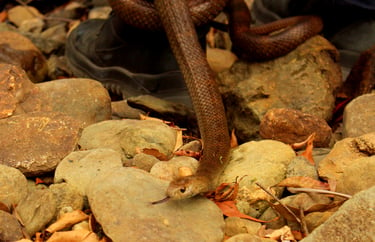
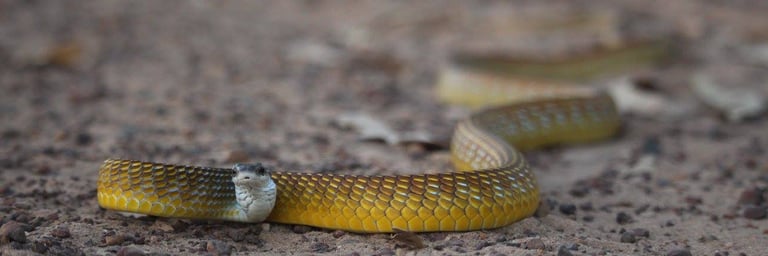
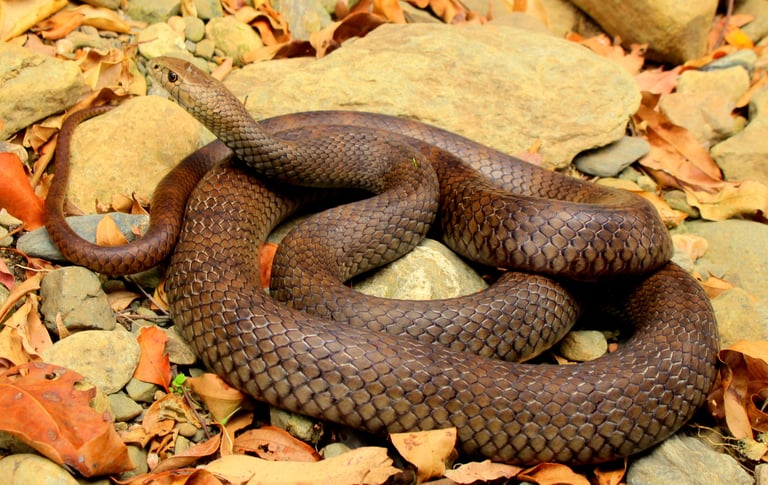
Ethical snake catching is an important part of conservation. With the ever-expanding urbanisation, wildlife often comes into conflict with humans and their pets. In countries such as Australia, the home of 10 of the world's most venomous snakes, deadly spiders and the largest crocodiles, these conflicts can sometimes be rather scary.
In these cases, always reach out to your local snake catcher and never take matters into your own hands! Injuring a wild animal can result in heavy fines, and for an untrained person, dealing with a cornered, deadly animal can prove even fatal.
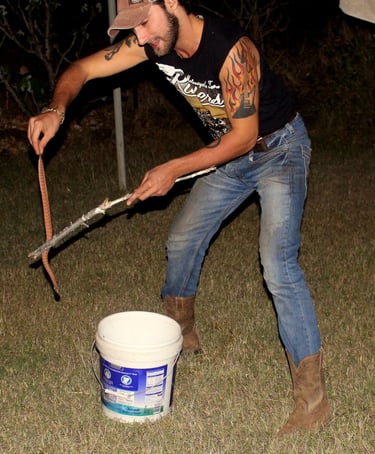
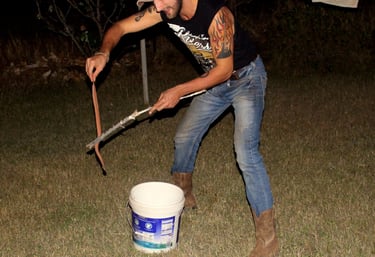
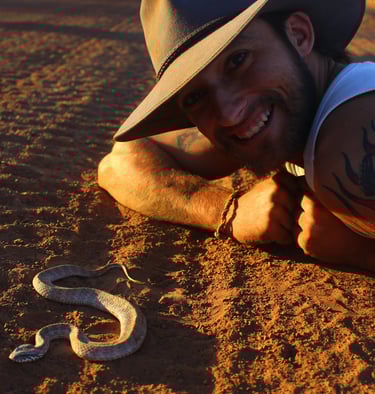
The UPM Program team operated in three Australian states and territories. We have safely relocated and rescued hundreds of snakes and provided helpful education to every customer. Our team also collaborated with other snake-catching services, which were carefully picked for their ethical practices and the ''animals-come-first'' policy.
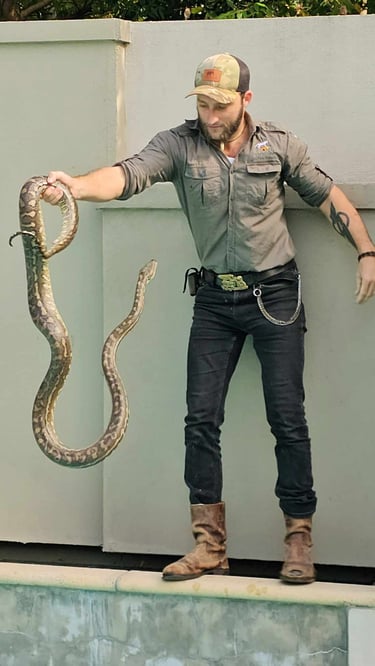
Why are snakes in our neighbourhoods important?
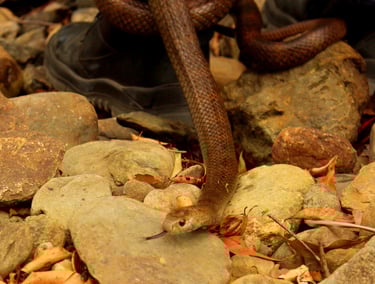
Snakes play a very important role in the ecosystem. Especially, in urban areas where human waste attracts rodents, which often overpopulate and spread diseases. A healthy snake population keeps rodents in check and thus healthier urban environment.
What should I do when I have a snake in my garden or in my house?
Keep calm and don't panic! Make sure your pets and children are safely put away in their rooms, and call your local snake catcher. If the snake is in your garden, it's probably just passing by. There, you can easily let the snake go its own way.
A tip to win the heart of your local catcher is to keep an eye on the snake until he or she arrives! From a safe distance, of course!
How should I choose my local snake catcher?
Choosing your local snake catcher is VERY important! Snake catching has become a very popular business, especially in Australia. If we combine the popularity with the extreme ease and availability to enquire a license based on only a single-day training session, many licensed snake catchers lack the skill and knowledge.
Another type of ''stay-away'' snake catchers are individuals or businesses who mainly seek likes and following on social media. These snake catchers might have the skillset and knowledge; however, the chief focus is their social media fame. Second, are their money, and somewhere down on their list of priorities are the welfare and safety of the animal.
Many a case occurred when these types of snake catchers injured or even killed a snake because their focus was on filming and not the animal itself. Others put themselves or even the customers in extreme danger, or even caused life-threatening injuries.
Take your time and use your common sense. Browse through social media accounts of different snake catchers in your area and carefully observe how they interact with the animal. This is what to look for;
The snake should NOT be compromised for the sake of filming.
The snake catcher should NOT film with one hand and handle a snake in the other.
A snake should NOT be handled unnecessarily. All catchers assess each animal for injuries; this takes only a few seconds.
The catcher should NOT provoke the snake to strike.
A good snake catcher talks less and works quicker. Naturally, we all want to educate others on the beautiful animals with which we work, but this can be done without the demonstration and thus unnecessary stress for the animal and danger to anyone around. For a good snake catcher or wildlife rescuer, the animal always comes first! It's as simple as that!
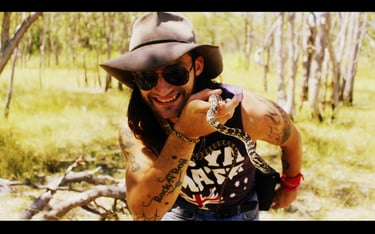
Our founder and head snake catcher & trainer, John Ryan, will answer some common public questions about snakes in our backyards
Searching for volunteer placements to enhance your career? Or are you an organisation that truly wants to make a change? Or are you an everyday person who just wants to do something for the future?
Whatever the enquiry might be, please do not hesitate to contact us to learn more. Our team of dedicated professionals are here to help!
CONTACT US
PHONE
+353 85 716 6328
© 2025. All rights reserved.