

WILDLIFE RESCUE
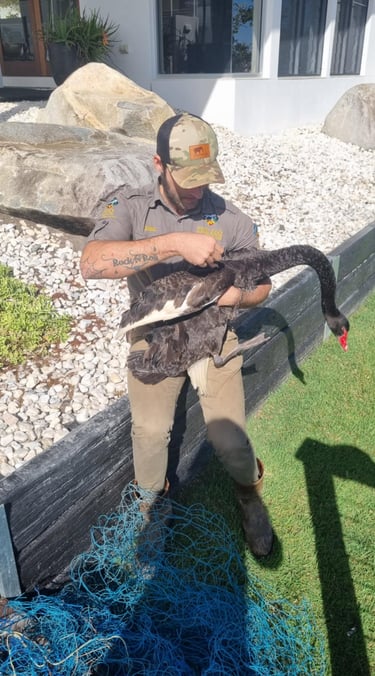
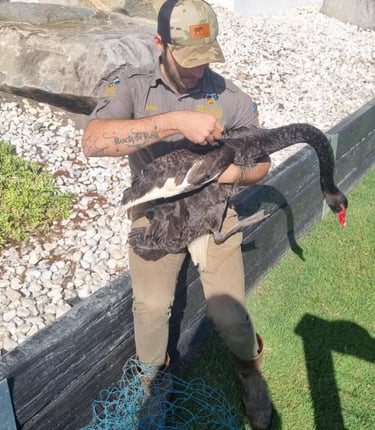
Wildlife comes into conflict with the urban or rural environment on a daily basis. These conflicts often result in injuries or the death of our precious wildlife.
From the far most common hazards like the roads and cars to artificial structures like fences and decorations to even our pets like dogs and cats, the injured or sick wildlife is often left helpless and in urgent need of help.
The UPM Program team has operated across Australia and the British Isles. Over the years, we have attended and rescued thousands of animals, trained dozens of wildlife rescuers and educated the general public on the safety and awareness of our precious wildlife. Our team also collaborates with other wildlife rescue services, which were carefully chosen for their ethical practices and the ''animals-come-first'' policy.
WHAT TO DO IF YOU FIND AN INJURED OR SICK WILDLIFE?
Immediately call your local Wildlife Rescue Service and provide;
What sort of animal it is
What is wrong with it
The exact location
1.
Follow the directions given by the professionals
2.
Contain an animal ONLY if you feel confident and if advised by the professionals
3.
Do NOT feed or water unless advised by the professionals
Keep an eye (but don't disturb) on the animal until the rescuer arrives.
4.
5.








COLLABORATION & FUNDRAISING
For the highest efficiency, we collaborate with fellow wildlife rescue and rehabilitation services; however, these services, just like our snake catching, are handpicked with a genuine desire to help our precious wildlife. This ensures the ''all for wildlife'' policy and weeds out ego-driven and corrupted wildlife rescue and rehabilitation services. Unfortunately, they do exist.
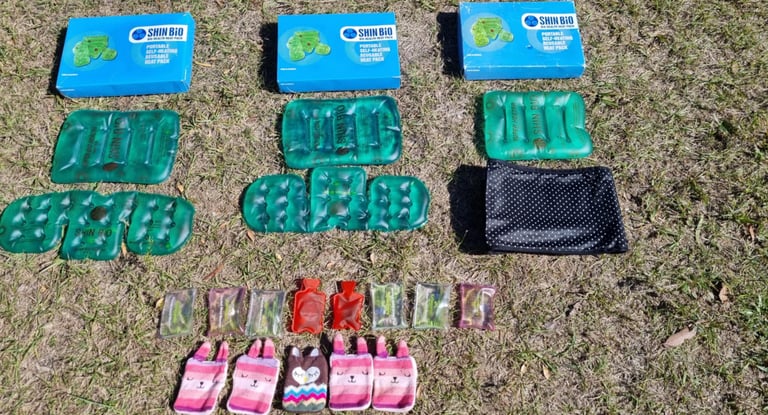
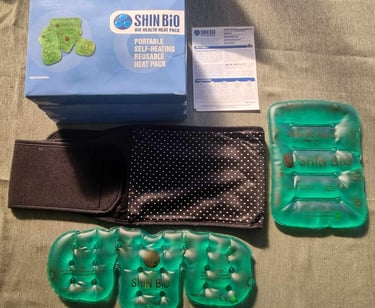
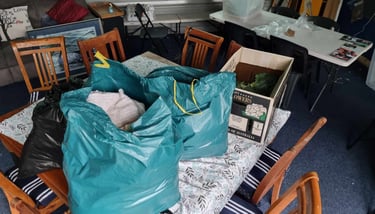
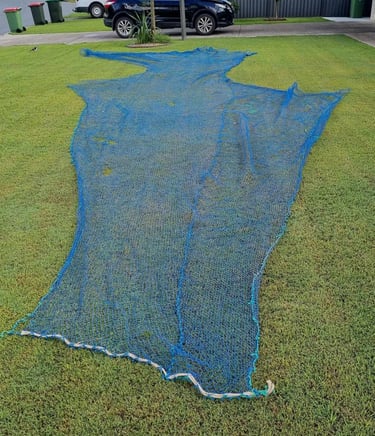
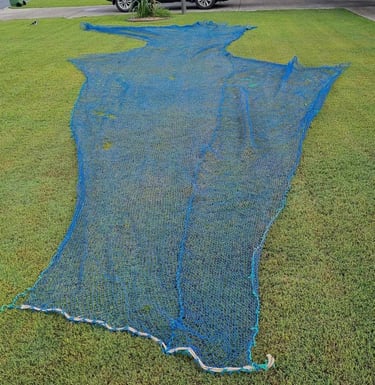
This collaboration means that whoever is closest to the animal in need can provide the fastest rescue. This first-responder system then minimises the stress and danger and maximises the chances of survival and recovery. Wildlife rescue and rehabilitation is very time and fund-consuming and volunteer-based only. Apart from the occasional yearly grants for fuel and rehabilitation care, we rely on donations and public generosity. Hence, the UPM Program took the plunge and began to fundraise for our fellow rescuers and rehabilitators. From heat packs, joey pouches, towels and blankets, to helpful rescue items such as trawler nets and even food for rehabilitators.
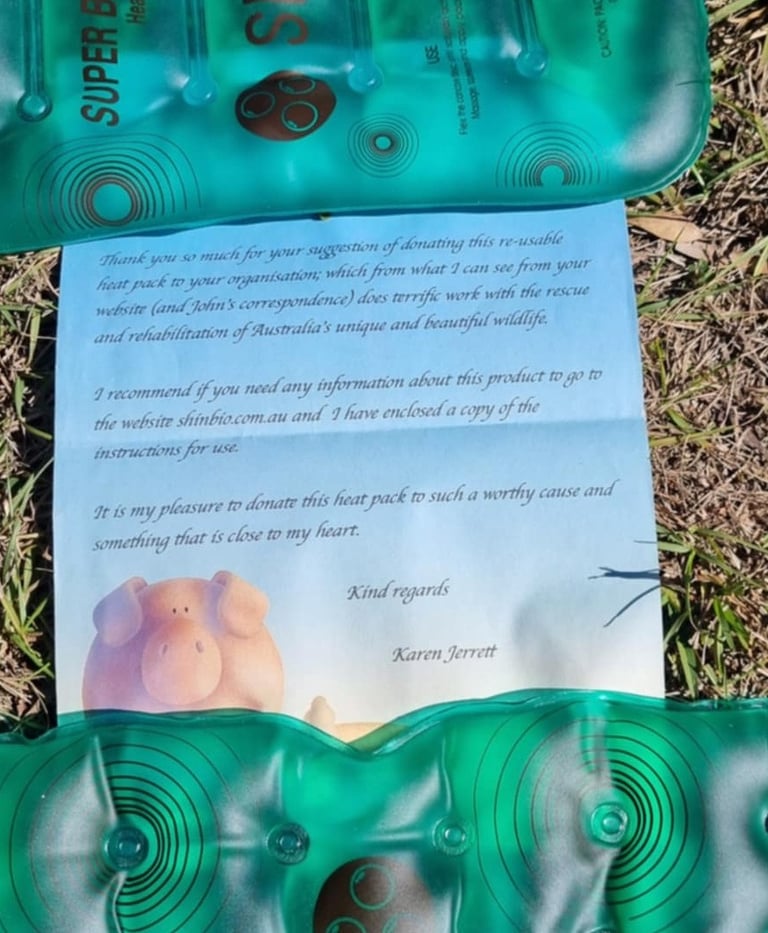
The public generosity was almost overwhelming, and aside from the donations, we also received kind letters, thanking us for caring for our wildlife. These kind words go a very long way for all personnel in conservation, and so these letters were passed around to share the joy.
If you wish to help our amazing wildlife rescuers and rehabilitators, please don't hesitate to contact us or your local service directly.
Searching for volunteer placements to enhance your career? Or are you an organisation that truly wants to make a change? Or are you an everyday person who just wants to do something for the future?
Whatever the enquiry might be, please do not hesitate to contact us to learn more. Our team of dedicated professionals are here to help!
CONTACT US
PHONE
+353 85 716 6328
© 2025. All rights reserved.